
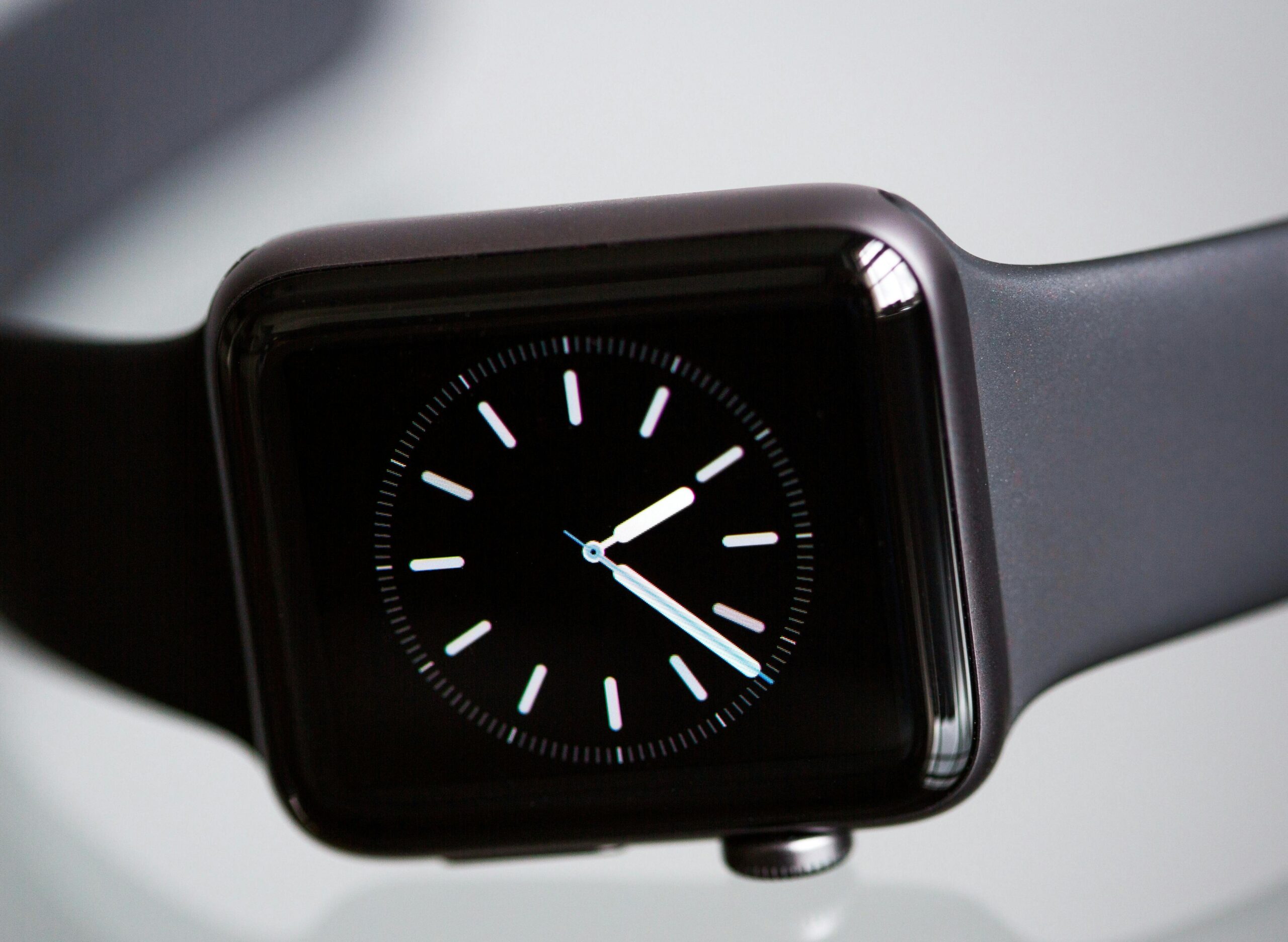
“Smartwatch Buying Guide 2025: How to Pick the Perfect Watch for Your Needs”
1. Introduction
Explain in simple words what a smartwatch can do: fitness tracking, notifications, calls, and payments. Tell readers that this guide will help them choose the right watch based on their phone, budget, and lifestyle.
2. Decide your priorities
Describe the main use cases and ask the reader to choose their top 2–3:
- Fitness and health tracking (steps, heart rate, sleep, GPS runs).
- Productivity (notifications, calls, quick replies, calendar).
- Style and comfort (design, build quality, strap, always‑on display).
Link each priority to the types of features they should focus on in later sections.
3. Compatibility and ecosystem
Explain that the first filter is phone compatibility: Apple Watch works best with iPhone, while Wear OS and many other brands work better with Android phones. Mention that matching the ecosystem usually gives smoother app support, better notifications, and more reliable health syncing.
4. Design and display
Cover points like case size, weight, and strap material, and explain why they matter for daily comfort and sleep tracking. For the display, explain the difference between AMOLED and LCD in terms of brightness, colours, and outdoor visibility, and mention features like always‑on display and screen protection.
5. Health and fitness features
Explain the core sensors and metrics: heart-rate tracking, SpO2, sleep tracking, step count, sports modes, and built‑in GPS. Add a short note that accuracy varies between brands and that serious runners or athletes should look for stronger GPS performance and more detailed training metrics.
6. Battery life and charging
Describe realistic battery ranges: many full smartwatches last about one to two days, while some fitness‑focused models can last several days or more. Ask the reader to think about whether they want to track sleep every night, because that makes frequent charging more annoying, so longer battery life becomes more important.
7. Smart features and connectivity
Explain key smart features: Bluetooth calling, notifications with quick replies, music control, offline music, NFC payments, and voice assistants. Mention that extra connectivity like LTE or always‑on GPS can reduce battery life, so users need to balance features with endurance.
8. Durability and water resistance
Talk about build materials (plastic, aluminium, stainless steel) and how they affect weight and toughness. Explain water‑resistance ratings in simple language, and tell readers what is safe for hand‑washing, showers, and swimming.
9. Budget ranges and what to expect
Write short paragraphs for budget levels:
- Entry level: basic notifications, simple fitness tracking, average displays.
- Mid‑range: better screens, more reliable health tracking, Bluetooth calling, better build.
- Premium: stronger GPS, advanced health features, higher durability, and premium design.
10. How to choose the right model
End with a practical three‑step checklist:
- Confirm phone compatibility and core features.
- Check battery, comfort, and design for daily use.
- Compare two or three shortlisted models in the same price range using trusted reviews.
If you tell the exact word count you want (for example 1,000 or 1,500 words), a full article draft can be generated in this same structure.