
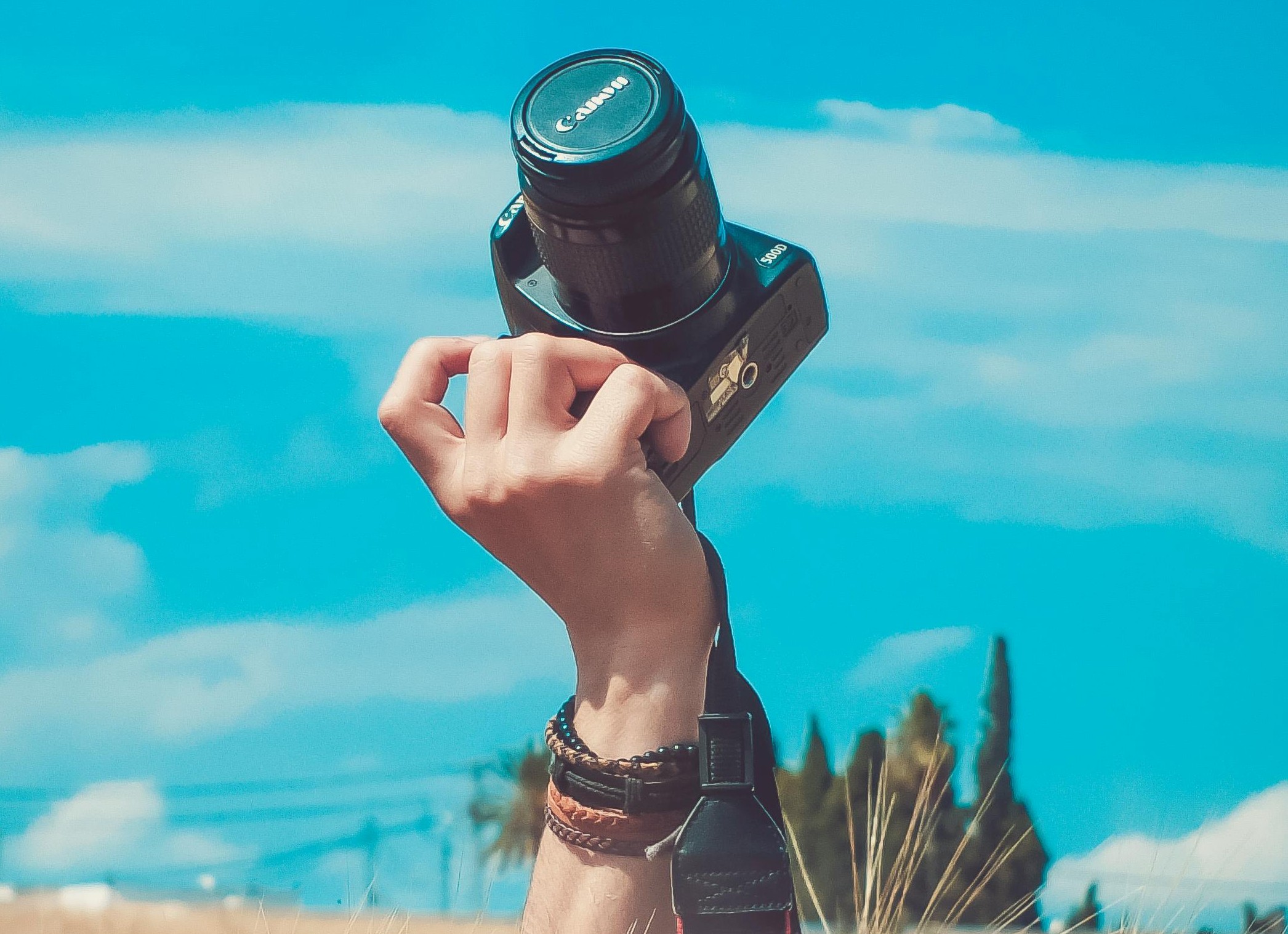
Before buying a camera, you need to be clear on what you will shoot (travel, YouTube, portraits, weddings, etc.), how much you want to spend including lenses, and how much size/weight you are ready to carry. Once that is fixed, you can choose sensor type, camera body, and lenses that match those needs instead of chasing specs you will never use.
1. Know your use case and budget
Decide your primary use: photos only, video only, or hybrid photo+video, and what style (vlogs, travel, portraits, sports, wildlife, product shots). Set a realistic total budget that covers body, at least one good lens, memory cards, bag, and maybe tripod and mic, because lenses and accessories often cost as much as the camera itself over time.
2. Understand camera types and sensors
Learn the basic types: compact cameras, bridge/zoom cameras, interchangeable‑lens mirrorless and DSLR bodies, each with different size, performance, and flexibility trade‑offs. Sensor size matters for image quality and low light: Micro Four Thirds and APS‑C are a good balance of size and price, while full‑frame generally gives better low‑light and background blur but costs more and requires larger lenses.
3. Image quality, autofocus, and speed
Megapixels are less important than sensor quality, lens quality, and processing; anything around 20–30 MP is enough for most people. For moving subjects like sports, kids, or wildlife, you need fast and reliable autofocus (eye/subject tracking) and decent continuous burst speed, while for landscapes or posed portraits, speed is less critical.
4. Lenses and system: think long term
Check what lenses are available for the mount you choose, including affordable primes and zooms, because lenses control your field of view and background blur more than the body. A good strategy is to buy a solid mid‑range body and invest in one or two high‑quality lenses that fit your style (for example, a wide lens for travel or a 50 mm prime for portraits).
5. Handling, video features, and extras
Hold the camera in hand if possible or at least check size, grip, button layout, viewfinder, and screen articulation to see if it feels comfortable for your shooting style. If you care about video, look at 4K quality, frame rates, recording limits, stabilization, mic/headphone ports, and overheating behaviour, plus log profiles if you want to color‑grade.
6. Reliability, reviews, and support
Read multiple reviews and sample images to see real‑world strengths and weaknesses like low‑light performance, rolling shutter, and weather sealing instead of trusting marketing claims. Also check battery life, warranty, and local service centres so that repairs and maintenance are not a headache later.
If you share your budget, main use (photo/video and subject), and whether portability is important, specific camera and lens combos can be suggested